Welcome to NJ Vein Specialists, where we offer VenaSeal, a cutting-edge treatment for varicose veins. This minimally invasive procedure represents a significant advancement in medicine, providing patients with an effective and comfortable treatment.

Welcome to NJ Vein Specialists, where we offer VenaSeal, a cutting-edge treatment for varicose veins. This minimally invasive procedure represents a significant advancement in medicine, providing patients with an effective and comfortable treatment.
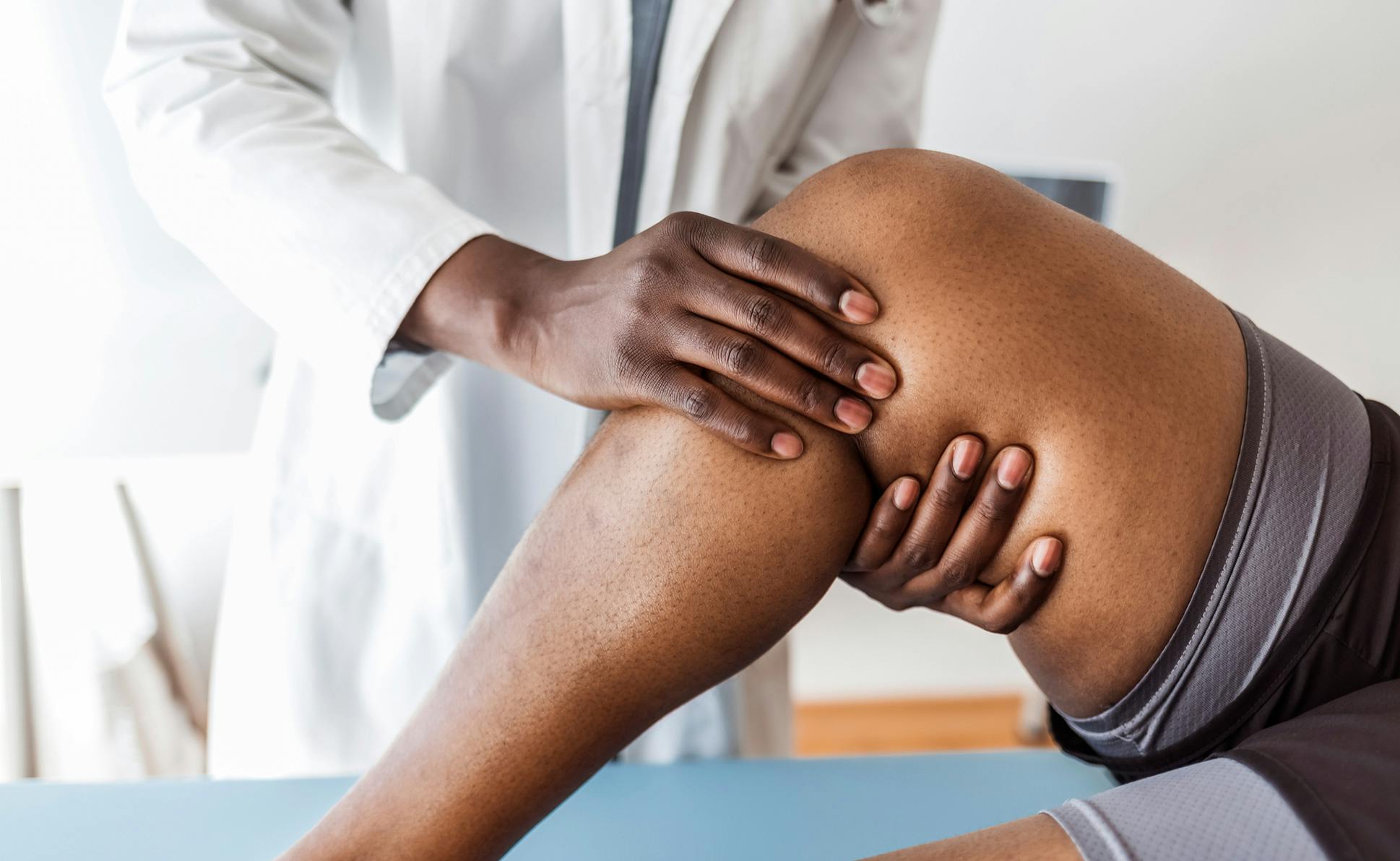

Our VenaSeal in Glen Rock and Edison, NJ is a medical adhesive used in the treatment of varicose veins. It is a unique approach that involves sealing the affected veins with a specially formulated adhesive, effectively closing them and alleviating the symptoms of venous disease.


The procedure involves the insertion of a small catheter into the diseased vein under ultrasound guidance. Once the catheter is in place, the VenaSeal adhesive is delivered into the vein, sealing it shut. This closure reroutes blood flow to healthier veins, reducing the symptoms of venous insufficiency.


VenaSeal is primarily used to treat:


At NJ Vein Specialists, we are proud to offer VenaSeal as a part of our advanced treatment portfolio for venous diseases. Choosing us for your VenaSeal treatment means entrusting your care to a team of experts who are at the forefront of vein care innovation. Our specialists are not only skilled in administering this cutting-edge treatment but are also deeply committed to providing a patient-centered experience. We understand that each patient's journey is unique, and we pride ourselves on offering personalized care plans tailored to individual needs. Our comprehensive approach extends beyond the procedure itself, ensuring you receive thorough pre-treatment evaluation and dedicated post-procedure follow-up. By opting for VenaSeal at our practice, you benefit from minimal downtime, reduced need for compression therapy post-treatment, and a quick return to your daily activities. Our commitment to excellence, combined with our nurturing and supportive environment, makes NJ Vein Specialists the ideal choice for your vein care needs.
What exactly is VenaSeal?
Is the VenaSeal procedure painful?
How long does it take to recover from VenaSeal treatment?
Are there any side effects or risks associated with VenaSeal?
Who is a good candidate for VenaSeal?
How does VenaSeal compare to heat-based vein ablation?
Is VenaSeal FDA approved?
Can VenaSeal be used on multiple veins at once?
Are there any risks or side effects associated with VenaSeal?
What happens to the sealed vein over time?
Will I feel the adhesive inside my vein?
Does VenaSeal treat spider veins?
Is VenaSeal covered by insurance?
Can varicose veins return after VenaSeal?
VenaSeal is a minimally invasive treatment that uses a medical-grade adhesive to close varicose veins. It's an effective alternative to traditional surgical procedures designed to treat venous insufficiency and varicose veins.
VenaSeal is generally well-tolerated by most patients. The procedure involves minimal discomfort, as it is performed under local anesthesia. Patients typically report a mild sensation during the adhesive application but no significant pain.
One of the key advantages of VenaSeal is its quick recovery time. Most patients can resume their normal activities almost immediately after the procedure. There is typically no need for prolonged downtime or extensive post-treatment care.
VenaSeal is a safe procedure with a low risk of complications. Some patients may experience mild bruising or swelling at the treatment site, but these side effects are usually temporary. Our team at NJ Vein Specialists will discuss all potential risks and benefits with you during your consultation.
VenaSeal is typically recommended for patients with symptomatic varicose veins caused by venous insufficiency who want a minimally invasive option without thermal energy or tumescent anesthesia. A diagnostic ultrasound is required to confirm candidacy.
Unlike radiofrequency or laser ablation, VenaSeal does not rely on heat to close the vein. This eliminates the need for multiple numbing injections along the vein and reduces the risk of heat-related nerve irritation.
Yes. VenaSeal is FDA approved for the treatment of superficial venous reflux and has been studied extensively for safety and long-term effectiveness.
In many cases, more than one vein can be treated, either during the same visit or in staged sessions, depending on ultrasound findings and overall vein health.
VenaSeal is considered very safe, but potential risks include localized inflammation, mild tenderness, allergic reaction to the adhesive, or temporary skin discoloration along the treated vein. Serious complications are uncommon.
Once sealed, the treated vein is gradually absorbed by the body. Blood flow naturally reroutes to healthier veins, improving circulation and reducing symptoms.
Most patients do not feel the adhesive once it is delivered. Some may notice mild tightness or tenderness along the treated vein for a short period, which typically resolves on its own.
VenaSeal is designed to treat larger veins affected by venous insufficiency. Spider veins often require a different approach, such as sclerotherapy, which may be recommended separately if needed.
Insurance coverage depends on whether the treatment is deemed medically necessary based on symptoms and ultrasound findings. Our team assists with verification and prior authorization when applicable.
The treated vein will not reopen, but venous disease is a chronic condition. New problem veins may develop over time, which is why ongoing monitoring and follow-up care are important.