Vein Ablation - Jump To Section

What is vein ablation?

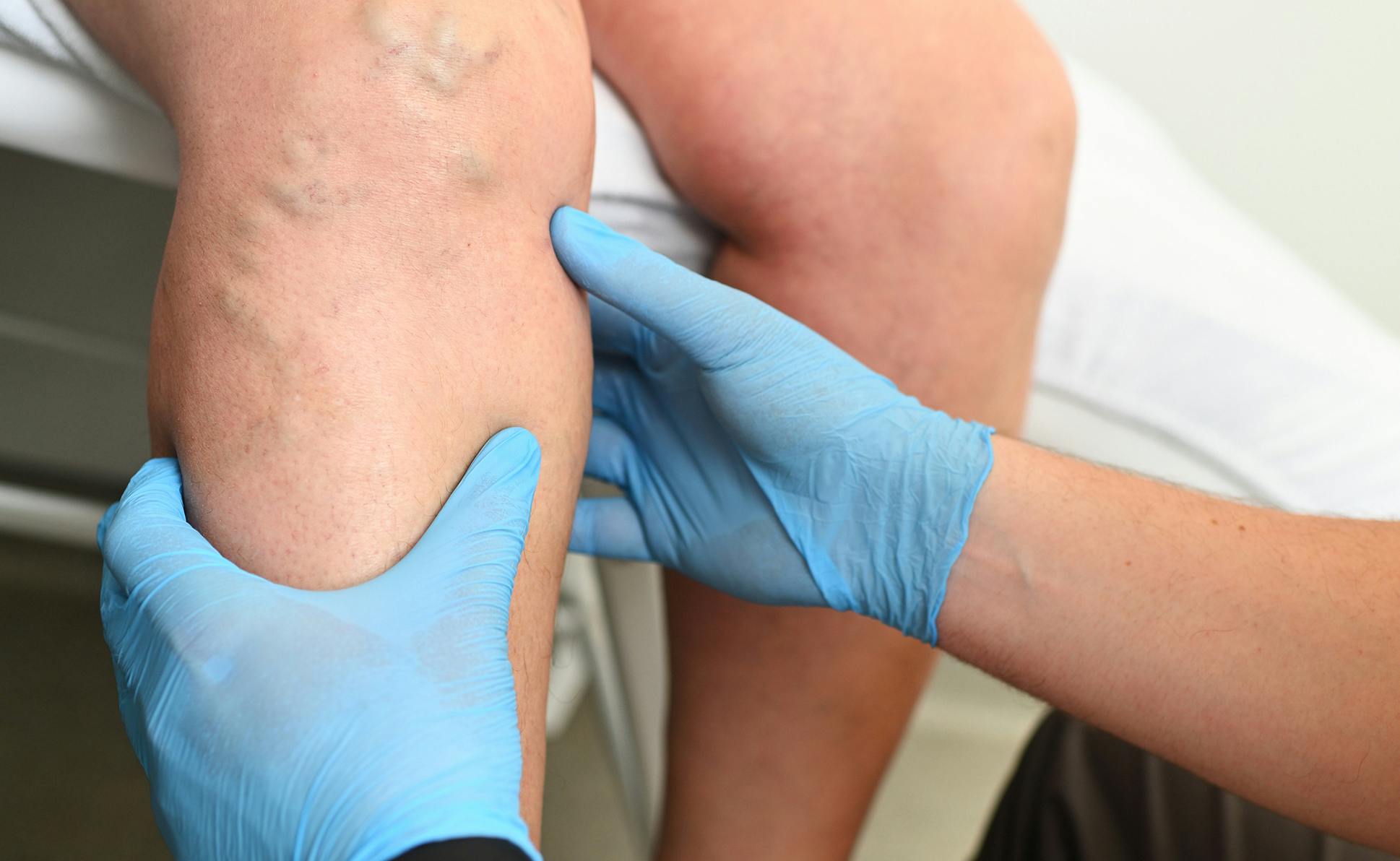
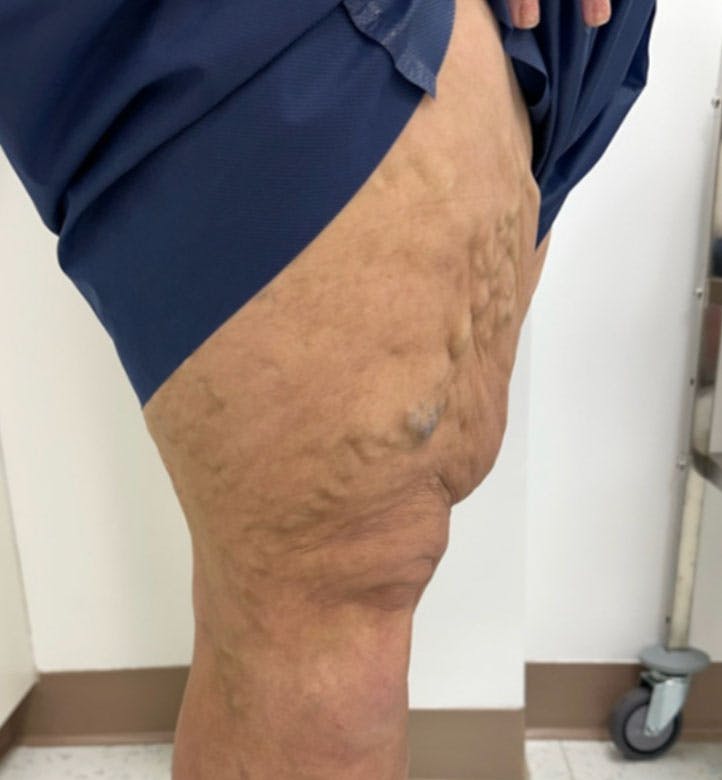
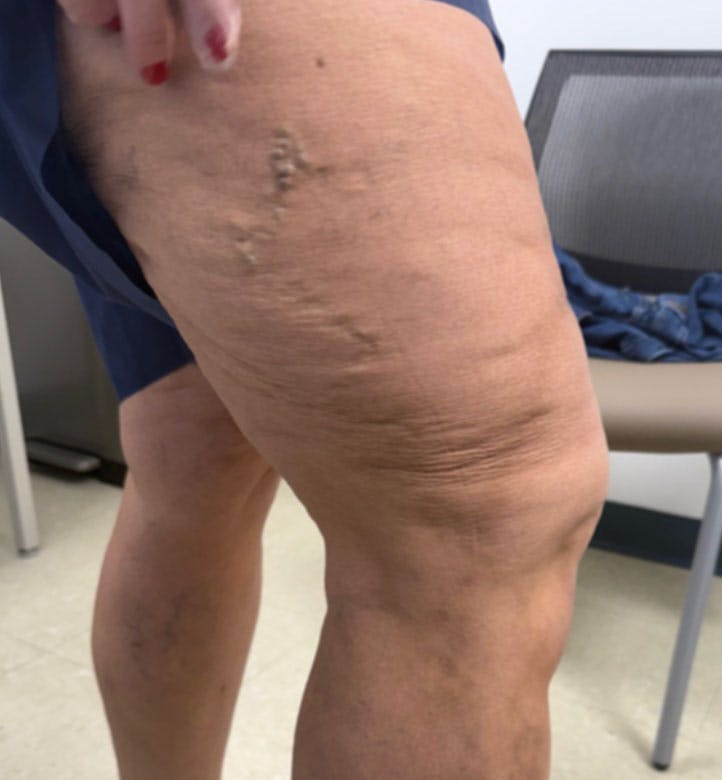
At NJ Vein Specialists, we offer vein ablation, a state-of-the-art treatment for varicose veins and chronic venous insufficiency. This minimally invasive procedure provides a highly effective solution for those suffering from the discomfort and appearance of painful, visible veins. Vein ablation is a medical procedure used to treat varicose veins and venous insufficiency. It involves the closure of the affected veins, preventing blood from pooling and causing issues. This treatment is recommended when conservative measures such as compression stockings and lifestyle changes are not effective.

Vein anatomy explained with Dr. Daniels

Vein anatomy explained with Dr. Daniels
older lady smiling at camera

How does vein ablation work?

Vein ablation uses thermal (heat-based) or chemical methods to close off the diseased veins. The most common techniques include:

In both methods, the heat damages the vein walls, causing them to collapse and eventually be reabsorbed and disappear. The procedure reroutes blood flow to healthier veins.

Background Texture

Ready for Personalized Vein Care?

Contact Us

Before & After

Combination Radio Frequency Ablation and Varithena

View Gallery

I am in the process of completing six vein ablations. I have had nothing but positive experiences with the office staff and with Dr. Porter. Everyone there is knowledgeable, attentive to my needs and concerns, and conducts themselves professionally. I highly recommend NJ Vein Specialists!

-A.B

What are the benefits of vein ablation?

  • Minimally invasive: Vein ablation is performed through small access points in the skin, avoiding the need for large incisions.
  • Quick recovery: Most patients can return to their regular activities shortly after the procedure.
  • High success rate: Vein ablation has a high success rate in treating varicose veins and relieving associated symptoms.
  • Reduced pain and discomfort: The procedure effectively alleviates the aching, swelling, and heaviness associated with venous insufficiency.
  • Improved appearance: It significantly reduces the appearance of varicose veins.
    Safe and effective: Vein ablation is a safe procedure with minimal risk of complications.

What is the treatment experience?

Undergoing vein ablation at NJ Vein Specialists is a process marked by comfort, care, and precision. From your initial consultation, our team ensures you understand every aspect of the procedure. During the treatment, a local anesthetic minimizes discomfort as the ablation technology gently closes the affected veins. The procedure typically takes about an hour, during which our specialists use ultrasound guidance for accuracy.

Post-treatment, you can expect to walk immediately and return to normal activities soon, with most patients experiencing minimal downtime. Our team provides comprehensive post-procedure care instructions and schedules follow-up visits to monitor your healing and ensure the best possible outcomes. This entire experience is designed to be seamless, reassuring, and focused on your swift recovery and long-term vein health. 

What is the recovery time?

The recovery from vein ablation is generally uneventful and comfortable. Immediately after the procedure, walking is encouraged to promote blood flow, and most individuals can resume normal activities within 24 to 48 hours. During the first few days, it’s normal to experience mild soreness, bruising, or swelling at the treatment sites. These symptoms are generally manageable and diminish quickly. We recommend avoiding strenuous activities or heavy lifting for a brief period. We will advise you about follow-up care, including wearing compression stockings as instructed, for a smooth and effective recovery.

A full recovery after vein ablation may take several weeks to months as the treated veins are slowly absorbed. This absorption leads to significant improvements in both the appearance of the legs and relief from symptoms. Regular exercise, maintaining a healthy weight, and avoiding prolonged periods of inactivity contribute to ongoing vein health and help sustain the treatment’s benefits. At NJ Vein Specialists, we provide personalized recovery plans tailored to each patient’s specific needs, ensuring that every individual receives optimal care and support throughout their healing journey.

Banner media

Why Choose NJ Vein Specialists for Vein Ablation?

Choose NJ Vein Specialists for your vein ablation in Glen Rock or Edison, NJ, and opt for a center that is at the forefront of vein treatment technology. Our expert team is highly experienced in performing vein ablation procedures, ensuring you receive the most effective care. We are committed to providing personalized treatment plans and comprehensive care, focusing on your comfort, safety, and satisfaction with the results.

Comprehensive vein care

At NJ Vein Specialists, vein ablation is part of our comprehensive approach to managing venous diseases. We offer a full spectrum of treatments and are dedicated to finding the most effective solution for your condition. Our team is here to guide you through every step of your treatment journey.

If you’re struggling with varicose veins or venous insufficiency and seek a minimally invasive treatment option, vein ablation at NJ Vein Specialists could be your answer. Contact us to schedule a consultation and learn how vein ablation can improve your vein health and overall quality of life.

different blue tones in random lined pattern

Radio Frequency Vein Ablation FAQs

How does radiofrequency ablation differ from adhesive or foam-based vein treatments?

Who is not a candidate for radiofrequency vein ablation?

Are there risks associated with radiofrequency vein ablation?

Does radiofrequency ablation permanently destroy the treated vein?

Can radiofrequency ablation be performed on multiple veins in one session?

Is ultrasound imaging used after radiofrequency ablation?

How soon can treatment success be confirmed?

Can radiofrequency ablation be repeated if needed?

Is radiofrequency vein ablation typically covered by insurance?

Does radiofrequency ablation prevent future vein problems?

How does radiofrequency ablation differ from adhesive or foam-based vein treatments?

Radiofrequency ablation uses controlled heat to close veins, while adhesive and foam treatments rely on chemical or mechanical closure. The best option depends on vein size, anatomy, and reflux pattern.

Who is not a candidate for radiofrequency vein ablation?

Patients with certain clotting disorders, active infections, or vein anatomy that prevents safe catheter placement may not be appropriate candidates for radiofrequency ablation.

Are there risks associated with radiofrequency vein ablation?

Radiofrequency ablation is very safe. Potential risks include temporary bruising, tenderness, skin numbness, inflammation, or, rarely, nerve irritation or blood clots.

Does radiofrequency ablation permanently destroy the treated vein?

Yes. The treated vein is permanently closed and gradually absorbed by the body, eliminating abnormal blood flow through that vein.

Can radiofrequency ablation be performed on multiple veins in one session?

In many cases, multiple veins can be treated during the same visit, depending on ultrasound findings and overall circulation health.

Is ultrasound imaging used after radiofrequency ablation?

Yes. Follow-up ultrasound imaging is commonly performed to confirm vein closure and evaluate blood flow in surrounding veins.

How soon can treatment success be confirmed?

Initial confirmation often occurs within weeks using ultrasound, with continued improvement in symptoms and appearance over time.

Can radiofrequency ablation be repeated if needed?

Yes. If additional veins develop or residual reflux is identified, radiofrequency ablation can be performed again when appropriate.

Is radiofrequency vein ablation typically covered by insurance?

Coverage depends on medical necessity and diagnostic findings. Our team assists with insurance verification and authorization when applicable.

Does radiofrequency ablation prevent future vein problems?

Radiofrequency ablation treats existing diseased veins but does not prevent new vein issues from developing. Long-term monitoring supports ongoing vein health.

Contact us media
Accessibility: If you are vision-impaired or have some other impairment covered by the Americans with Disabilities Act or a similar law, and you wish to discuss potential accommodations related to using this website, please contact our Accessibility Manager at 551-356-8214.
Contact Us