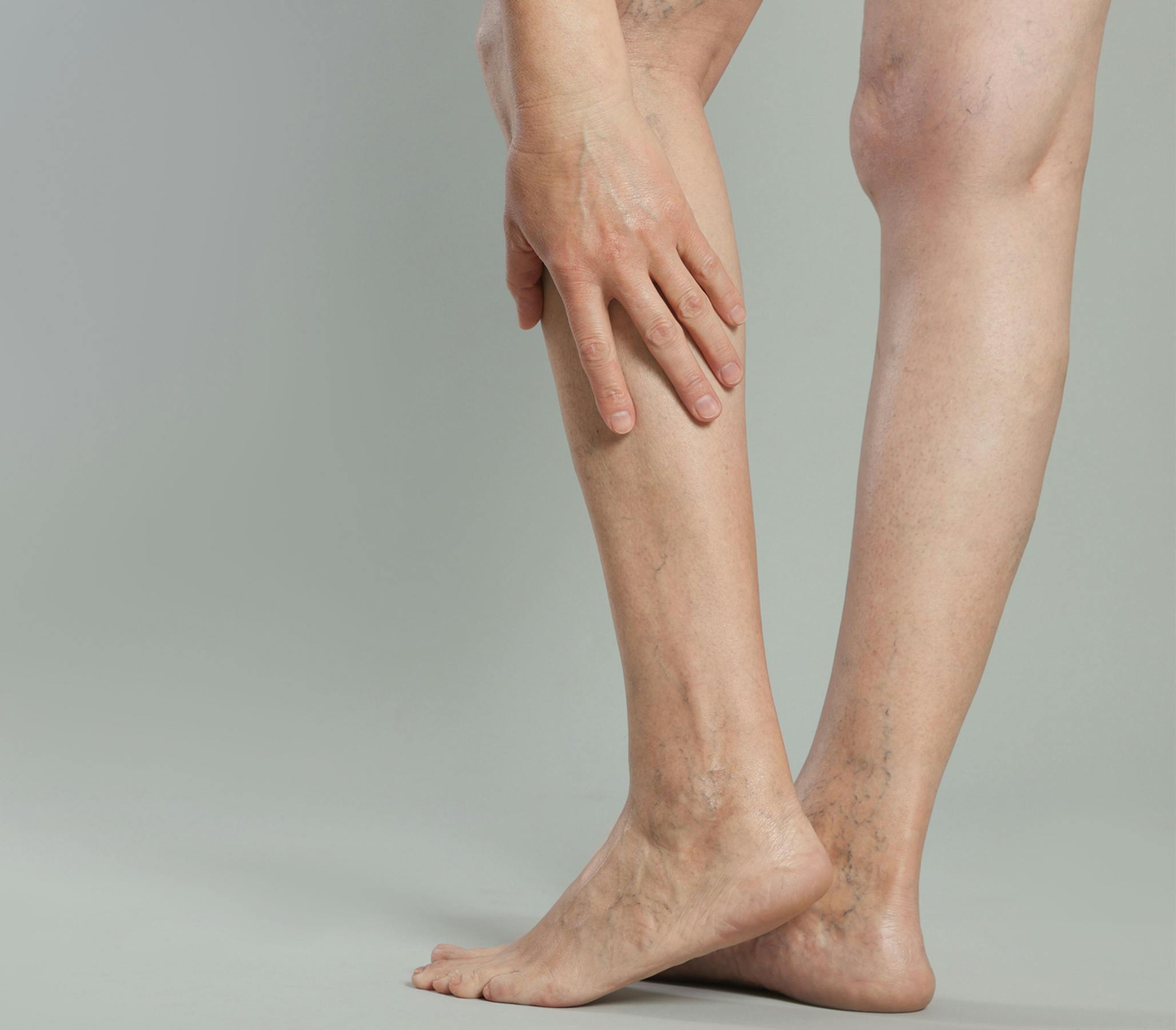
Spider veins can be removed at NJ Vein Specialists for skin that looks healthy and fresh, free from the look of visible veins.
What are spider veins?
What causes spider veins?
What are the symptoms of spider veins?
What treatment options are available for spider veins?
Can spider veins be prevented?
When should I see a doctor about spider veins?
How long does it take to see results after spider vein treatment?
Are spider vein treatments permanent?
Are there risks associated with spider vein treatment?
Can spider vein treatment be done on both legs at the same time?
Is spider vein treatment painful?
How many spider vein treatment sessions are usually needed?
Does spider vein treatment leave scars?
Is follow-up care needed after spider vein treatment?
Spider veins are small, twisted blood vessels visible through the skin. They appear as red, blue, or purple networks, often on the legs or face. These veins develop when valves in the veins become weakened, leading to blood pooling and increased pressure. While typically a cosmetic concern, they can cause discomfort in some cases.
Spider veins are caused by weakened or damaged valves in the veins, leading to blood pooling and vein enlargement. Factors such as genetics, aging, hormonal changes, prolonged standing or sitting, and sun exposure can contribute to the development of spider veins.
While spider veins are usually harmless, some individuals may experience symptoms such as aching, burning sensations, itching, or bleeding in rare cases. These symptoms are often more noticeable after prolonged standing or sitting.
Treatment options include lifestyle changes, compression stockings, sclerotherapy (injection treatment), laser therapy, endovenous laser therapy (EVLT), radiofrequency ablation, and, in rare cases, surgery.
Preventive measures include maintaining a healthy weight, regular exercise, wearing sunscreen, elevating your legs, and using compression stockings if you stand for long periods. Avoid crossing your legs for extended periods to improve circulation.
You should consult a healthcare provider if your spider veins are causing pain, swelling, or skin changes, or if they become a significant cosmetic concern. Although usually harmless, spider veins can indicate underlying circulation issues that may require professional care.
Visible improvement often begins within weeks, but full results can take several months as treated veins gradually fade and are absorbed by the body.
Treated spider veins do not return. However, new spider veins can develop over time due to genetics, hormonal factors, or circulation changes.
Spider vein treatments are very safe. Possible side effects include temporary redness, bruising, mild swelling, or skin discoloration at the treatment site, which usually resolves on its own.
Yes. In most cases, both legs can be treated during the same session, depending on the extent of spider veins and the treatment method used.
Most patients describe treatment as mildly uncomfortable rather than painful. Sensations may include brief stinging or warmth, which typically resolves quickly.
The number of sessions varies depending on the amount and location of spider veins. Some patients achieve desired results in one session, while others may need multiple treatments.
Spider vein treatments are non-surgical and do not leave scars. Injection or laser entry points are very small and heal without visible marks.
Follow-up visits may be recommended to assess results and determine whether additional treatment is beneficial for optimal cosmetic outcomes.