Experience advanced, compassionate varicose vein treatment in Glen Rock and Edison, NJ, at NJ Vein Specialists. Our expert team delivers personalized, minimally invasive treatments for faster recovery and exceptional results.

Experience advanced, compassionate varicose vein treatment in Glen Rock and Edison, NJ, at NJ Vein Specialists. Our expert team delivers personalized, minimally invasive treatments for faster recovery and exceptional results.
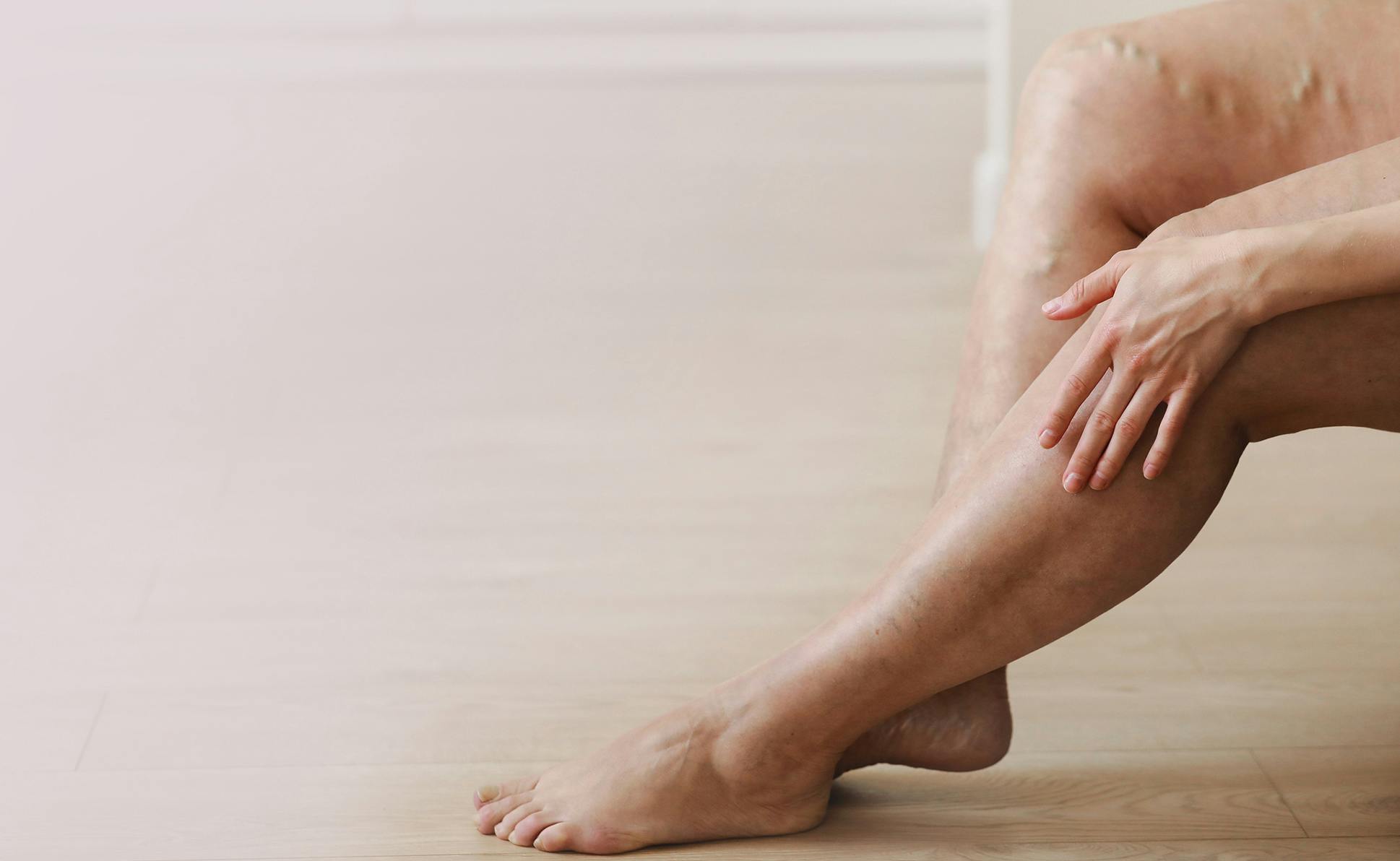

Varicose veins are a common yet often misunderstood condition affecting millions of people worldwide. Characterized by enlarged, twisted veins that typically appear in the legs, they are more than just a cosmetic issue; if left untreated, they can cause discomfort and pain and even lead to more severe health complications. At NJ Vein Specialists in Glen Rock, NJ, we combine our deep understanding of this condition with advanced treatment methods to provide effective and compassionate care.
Varicose veins develop when the valves in the veins that regulate blood flow become weak or damaged, causing blood to pool and veins to enlarge. Risk factors include age, genetics, pregnancy, prolonged standing or sitting, and obesity. Symptoms vary but often include leg pain, swelling, heaviness, fatigue, and noticeable blue or dark purple veins.
The treatment will reflect your condition. At NJ Vein Specialists, we deliver a range of minimally invasive treatment options, each aimed at alleviating symptoms and improving vein appearance:


What symptoms indicate I may need varicose vein treatment at NJ Vein Specialists?
Are varicose vein treatments at NJ Vein Specialists minimally invasive?
How does NJ Vein Specialists diagnose varicose veins?
Can varicose veins return after treatment?
Do varicose vein treatments require anesthesia or downtime?
Are varicose vein treatments only cosmetic, or can they be medically necessary?
What causes varicose veins to develop?
Are varicose vein treatments covered by insurance?
When should varicose veins be evaluated by a specialist rather than monitored?
Can untreated varicose veins lead to medical complications?
Are varicose veins always visible on the surface of the skin?
How is treatment selected when multiple varicose veins are present?
Are there risks associated with varicose vein treatments?
How long do results from varicose vein treatment typically last?
Can lifestyle changes improve varicose vein outcomes after treatment?
Do varicose vein treatments improve circulation or just appearance?
How many treatment sessions are typically needed?
Is an ongoing follow-up necessary after varicose vein treatment?
Common symptoms include leg pain, swelling, heaviness, fatigue, itching, or visibly enlarged, twisted veins. If discomfort interferes with daily activities or symptoms worsen over time, NJ Vein Specialists in Glen Rock and Edison can perform a detailed evaluation to determine the best treatment options.
Yes. NJ Vein Specialists specializes in modern, minimally invasive options such as sclerotherapy, laser therapy with Alma Veil, vein ablation, VenaSeal, Varithena, and phlebectomy. These treatments require little downtime and offer long-lasting results.
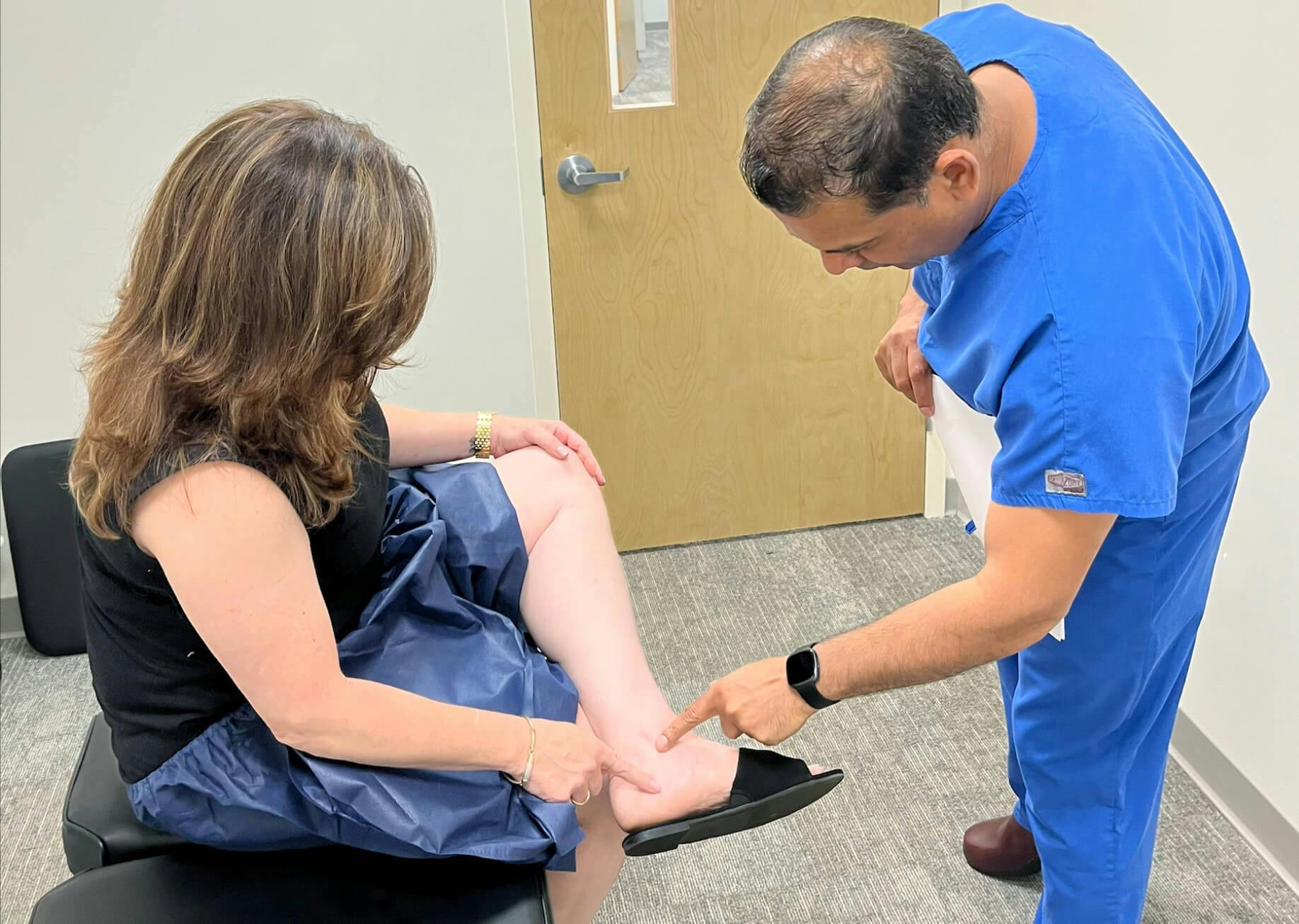
Diagnosis involves a comprehensive physical exam along with advanced technology including circulation ultrasound and blood flow mapping. This allows the team to assess the condition accurately and create a customized treatment plan.
Treated veins typically do not return, but new varicose veins may develop due to genetics, lifestyle, or circulatory changes. NJ Vein Specialists provides guidance on prevention, follow-up, and long-term vein health to help minimize recurrence.
Most procedures offered at NJ Vein Specialists require only local anesthesia, if any. Recovery time is minimal, and many patients return to normal activities the same day or within 24–48 hours depending on the treatment performed.
Varicose veins can cause pain, swelling, heaviness, skin changes, and circulation problems, making treatment medically necessary for many patients. NJ Vein Specialists evaluates symptoms to determine whether medical intervention is recommended.
Varicose veins develop when the valves inside veins weaken, causing blood to flow backward and pool in the veins. This can lead to vein enlargement and discomfort. Common risk factors include aging, family history, pregnancy, obesity, and prolonged standing or sitting.
Many insurance plans cover varicose vein treatments when they are deemed medically necessary, especially if you experience symptoms like pain or swelling. NJ Vein Specialists works with most insurance providers and offers payment options to help make treatments more accessible.
Varicose veins should be evaluated when symptoms progress, skin changes develop, or discomfort persists despite conservative measures. Early evaluation can help prevent complications and guide appropriate treatment timing.
Yes. When left untreated, varicose veins may contribute to chronic venous insufficiency, skin discoloration, inflammation, bleeding, or venous ulcers in more advanced cases.
Not always. Some problematic veins lie beneath the surface and may cause symptoms such as aching, swelling, or heaviness even when visible veins are minimal.
Treatment selection is based on vein size, location, severity of reflux, and overall circulation patterns identified on ultrasound. A combination of treatments is sometimes recommended for optimal results.
Modern varicose vein treatments are very safe. Potential risks may include temporary bruising, tenderness, inflammation, skin discoloration, or, rarely, infection or blood clots.
Treated veins are permanently closed or removed. However, venous disease is chronic, and new veins may develop over time, which is why long-term monitoring is important.
Yes. Maintaining a healthy weight, staying active, avoiding prolonged standing or sitting, and wearing compression when recommended can support circulation and long-term vein health.
Treatment improves both. By closing diseased veins, blood flow is redirected to healthier veins, which can relieve symptoms while also improving the appearance of the legs.
The number of sessions varies depending on the extent of vein disease and the treatment approach. Some patients achieve results in a single session, while others may require staged care.
Yes. Follow-up visits allow providers to confirm vein closure, monitor circulation, and identify any new vein issues early to maintain long-term results.